

Markets & Assets
What Is the London-New York Overlap in Trading?
Explore the most liquid trading window in the financial world. Learn why the 4-hour London-New York overlap generates peak volatility and how to navigate false breakouts.
Beginner-friendly articles on market mechanics, risk, and trading habits.
Explore the most liquid trading window in the financial world. Learn why the 4-hour London-New York overlap generates peak volatility and how to navigate false breakouts.

Why does your market opening schedule suddenly shift by an hour? Learn how US and European Daylight Saving Time changes affect forex, futures, and stock trading.
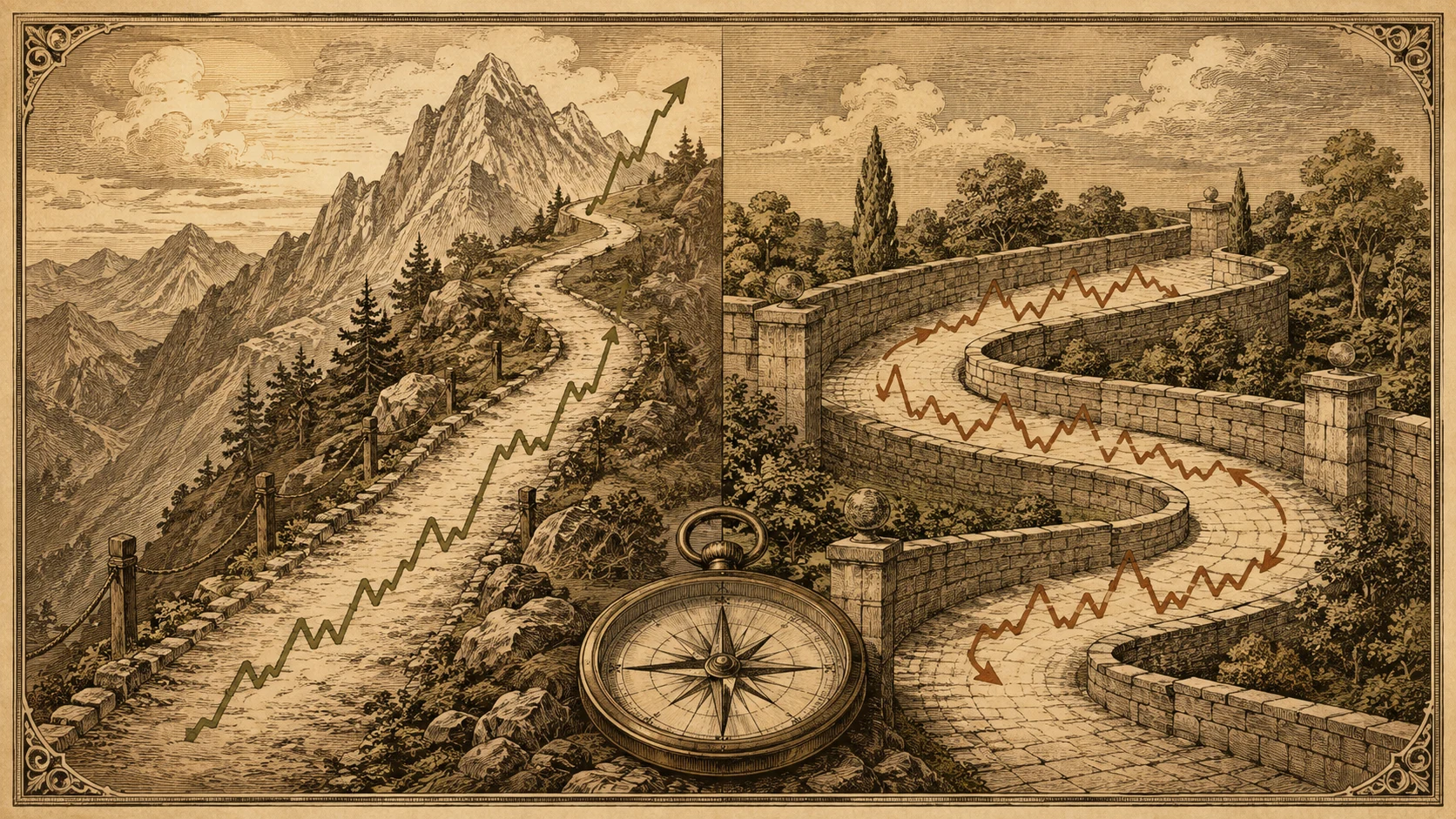
Learn how to distinguish a trending market from a range-bound consolidation. Understand swing structure, stairways vs hallways, and why indicators alone fail.

Master the technical signs of a range-bound market: horizontal swing boundaries, failed continuation breaks, volume contraction, and avoiding the mid-range trap.

Understand the core structural mismatch: why breakout and trend-following systems suffer repeated paper cuts in sideways markets, and how to protect your equity curve.
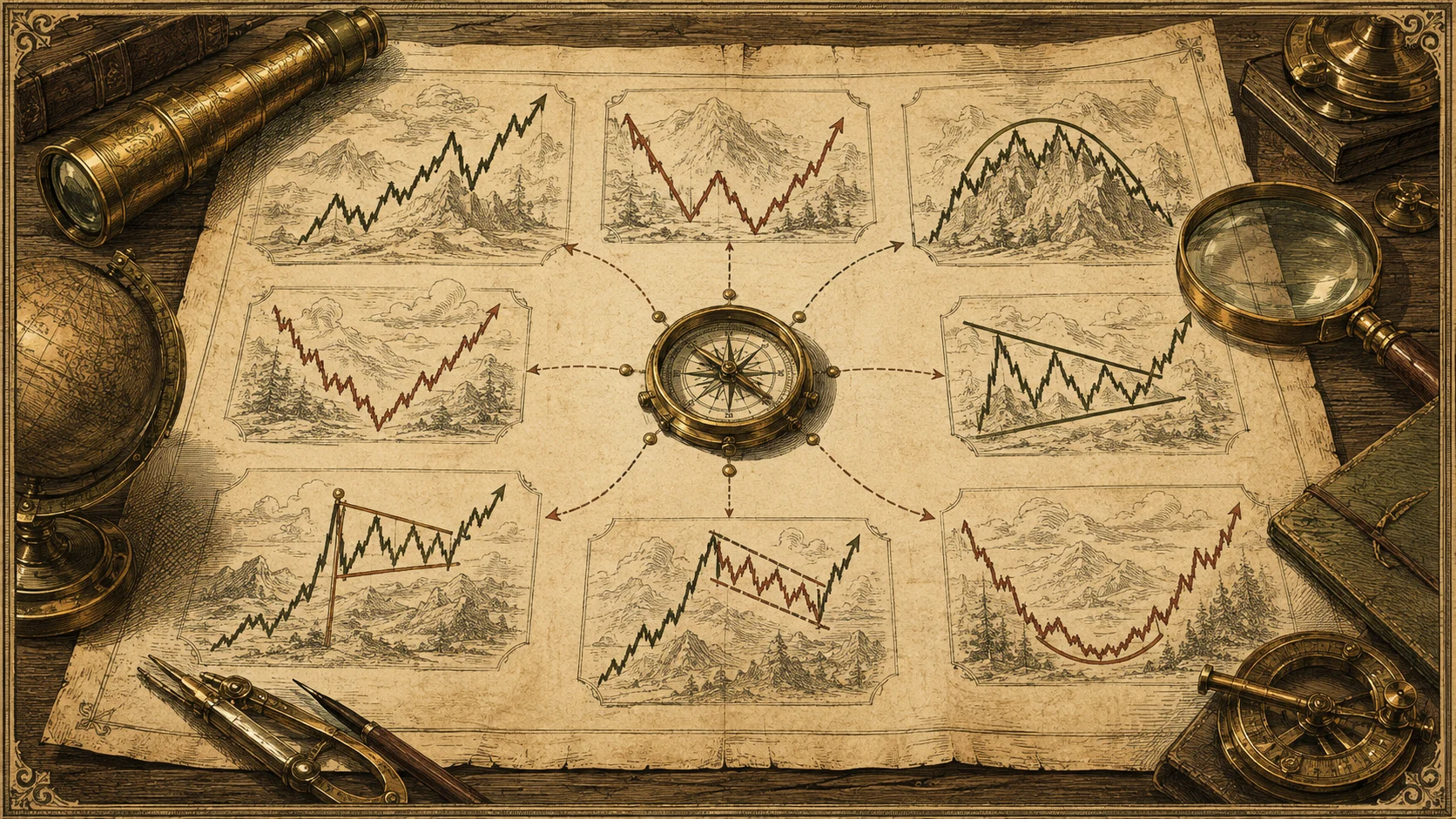
Stop memorizing textbook shapes. Understand what classic chart patterns—triangles, flags, double tops, and head-and-shoulders—actually reveal about buyer-seller battles.

Learn what truly validates a breakout: candle body close, volume surge, and the retest of prior levels. Discover why no single rule is foolproof.

Understand the core differences between continuation and reversal patterns. Learn why market context dictates pattern meaning and why trading along prior trends yields superior edge.

Learn the mechanics of false breakouts versus genuine trend expansions. Discover why confirmation develops across stages and how to avoid buying into liquidity traps.

Explore the mirror mechanics of bull traps and bear traps. Understand how structural liquidity dynamics—not conspiracy theories—drive false breakout reversals.
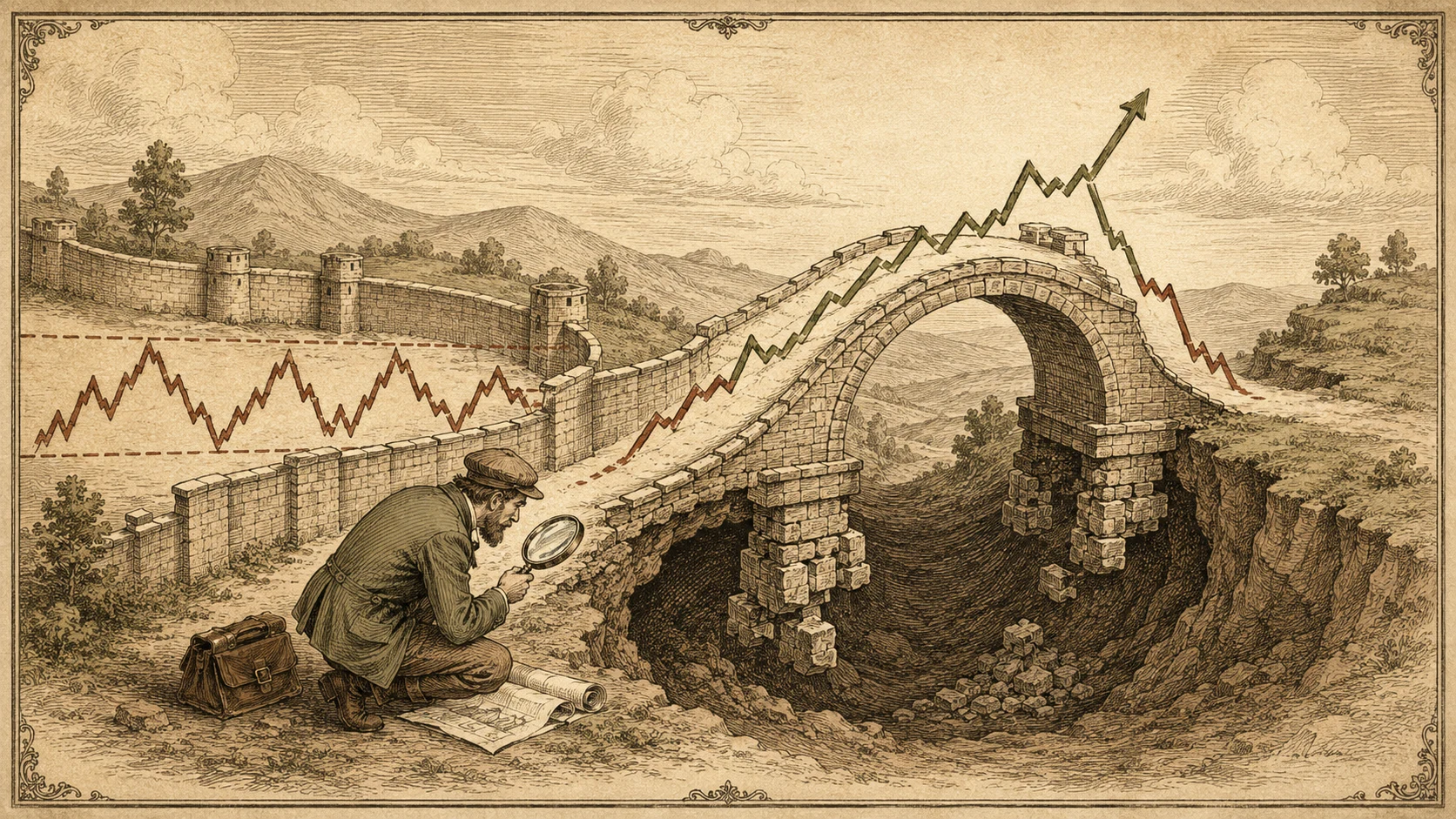
Discover why the majority of textbook chart breakouts fail. Explore weak follow-through, low-liquidity chasing, crowded levels, news spikes, and range re-entry.

AI can surface candidates, summarize research, and flag patterns. The decision — whether to act, with what size, and when to stop — is still yours. Learn the boundary.

A trading plan fails in predictable ways: a missing risk budget, a named-but-undefined 1R, improvised exits, and no review process. Learn the common mistakes and how to spot them.

A complete trading decision loop runs from market view to sizing to entry to exit to review, then feeds the next decision. Learn the steps and what breaks when one is missing.

A scanner may show a 90% confidence score, but that number is not the probability the setup will work. Learn what a confidence score can and cannot tell you, and why it needs the same audit as any flag.