Blog
Beginner-friendly articles on market mechanics, risk, and trading habits.
Market AnalysisTrading on one timeframe is simpler; adding a higher timeframe gives you context. Learn what each setup provides, what it costs, and how to choose based on your style.
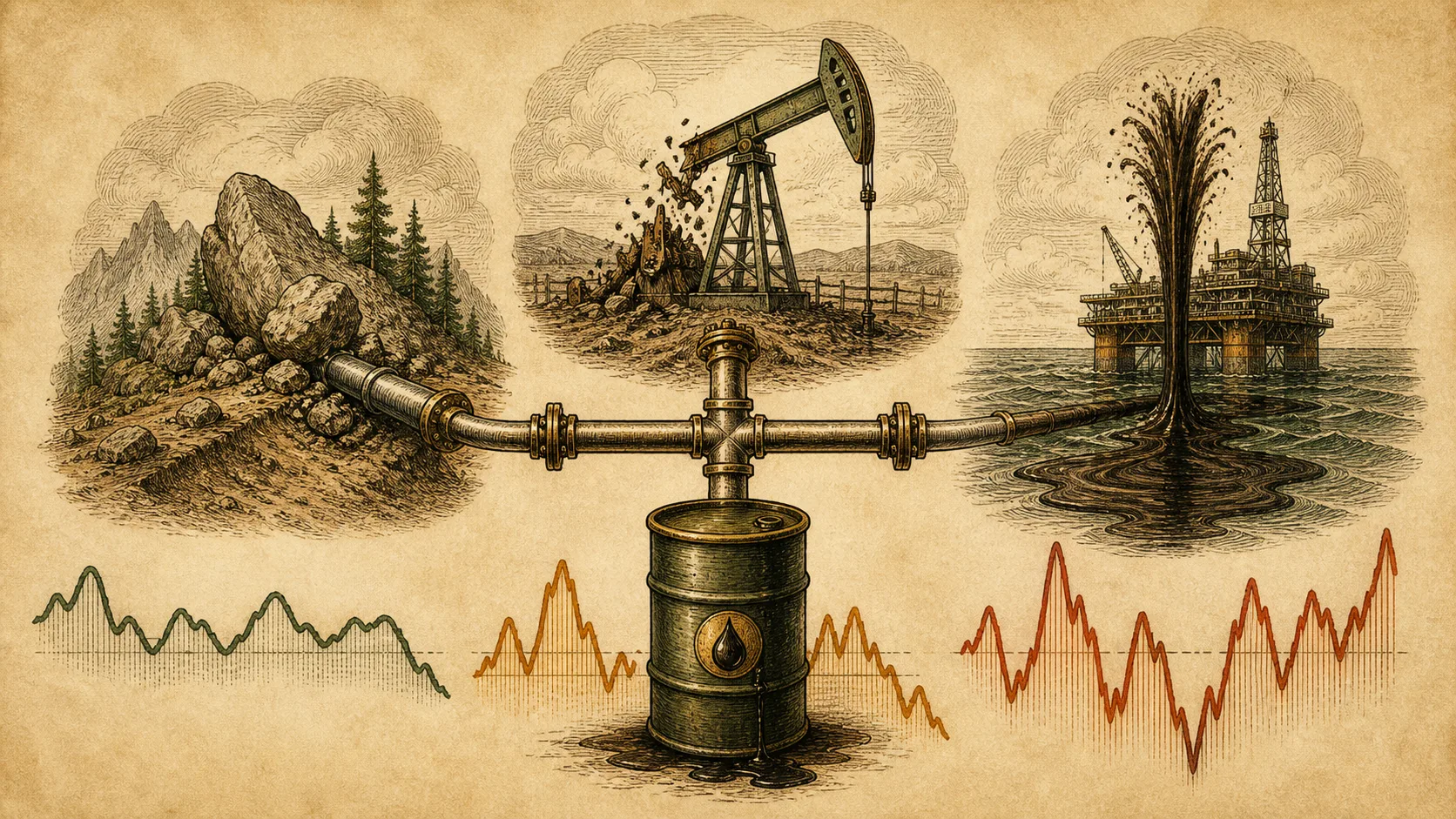
Market AnalysisNot all oil shocks are the same. A strait closure, a sanctions disruption, and a demand crash produce different price paths. Learn the scenarios and what determines how far oil can run.
Trading SystemsScaling out closes part of a position at a target and lets the rest run. It balances capturing gains against riding a move, but changes risk management mid-trade. Learn how to do it as a rule.
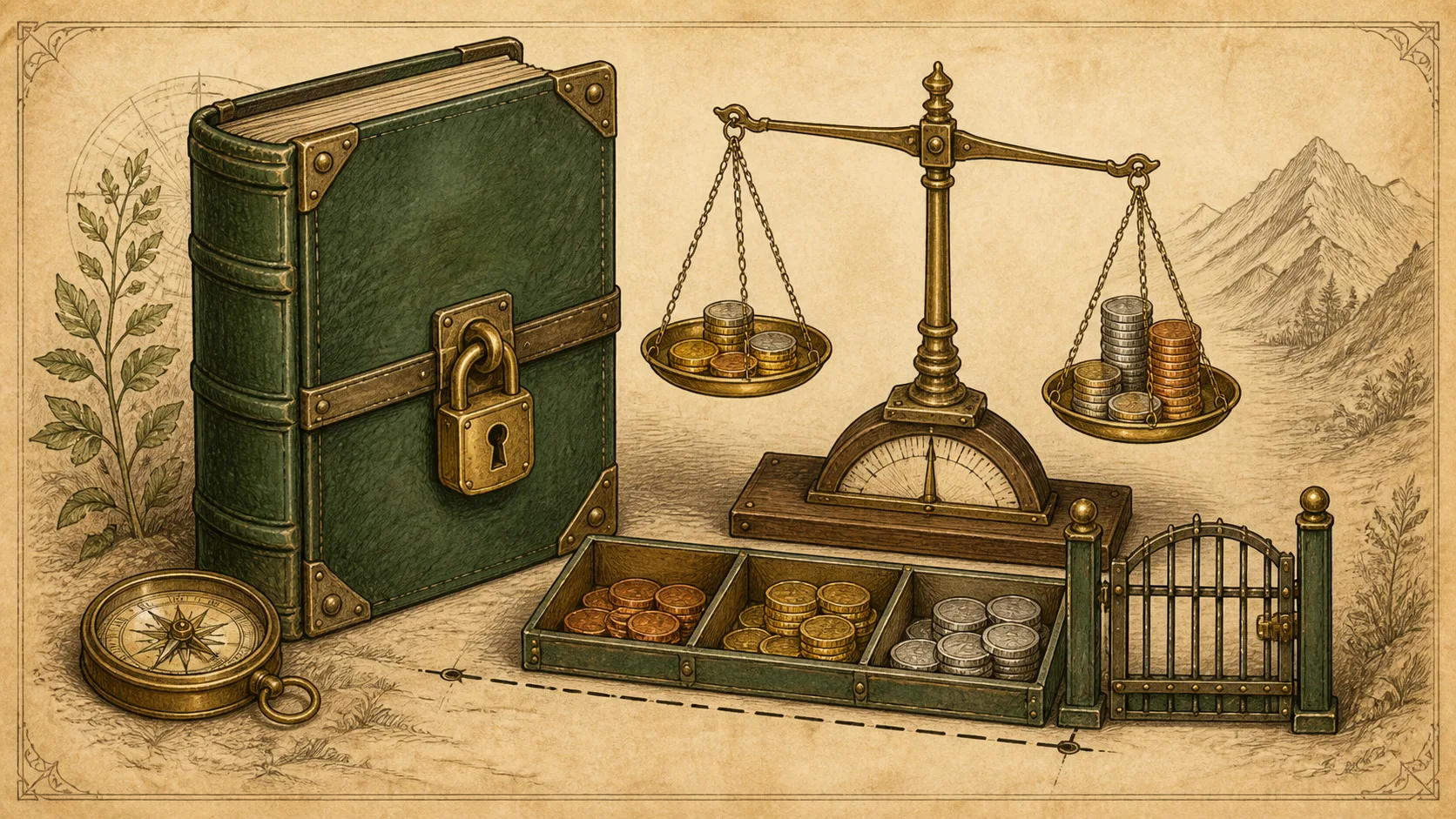
Trading SystemsA personal trading risk policy is a written set of limits and rules for your trading: how much to risk, what stops you, and what you will not do. It turns risk awareness into a document.
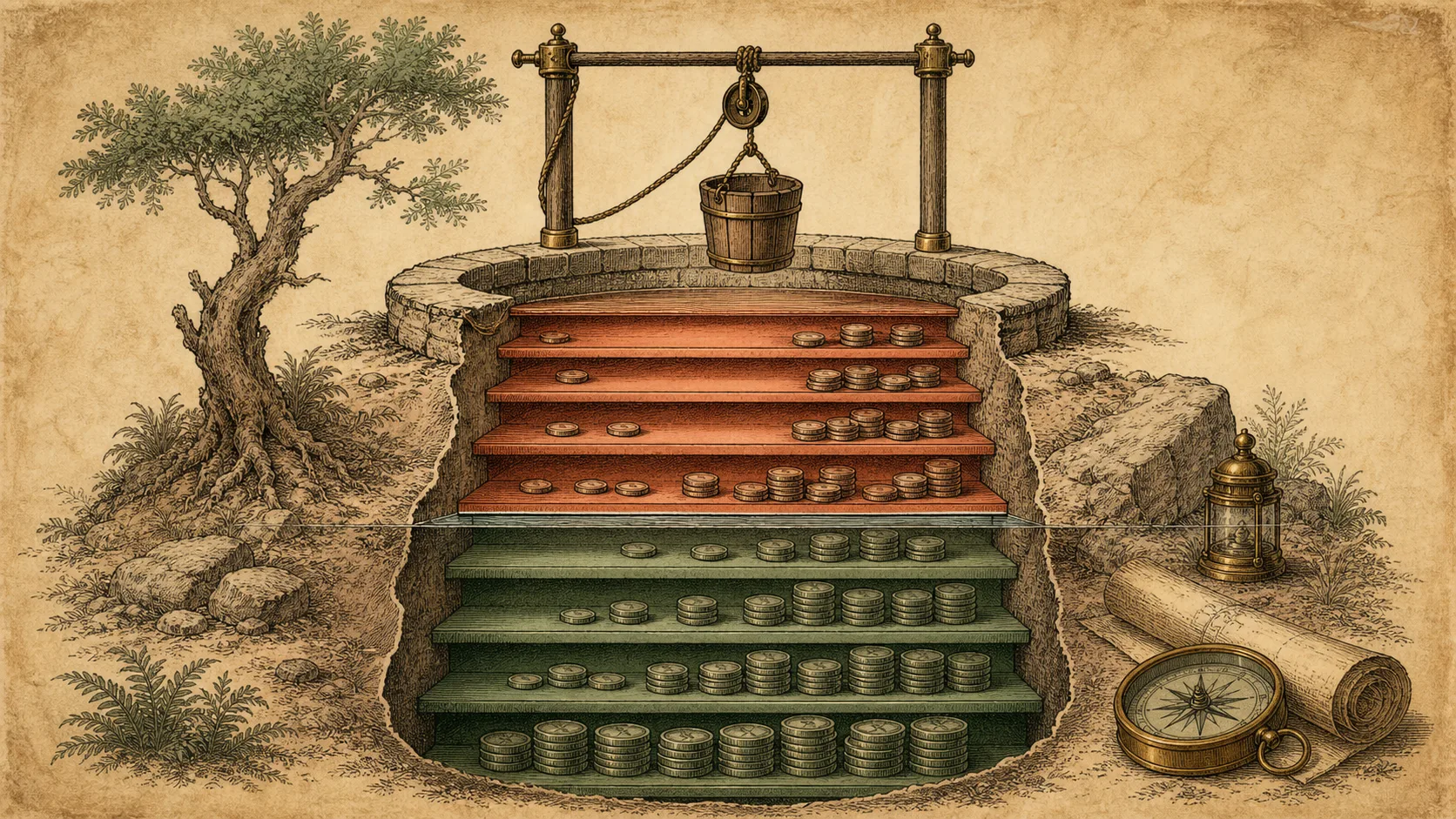
Risk ManagementPlanned risk is what you are willing to lose; market exposure is the value you control. They are different variables, connected by position size. Learn to keep them apart.
Trading SystemsAn unplanned trade is one taken without a rule that fired or a risk that was sized. They usually cost more than planned trades. Learn to spot them and to separate them in your review.
Trading SystemsA premarket trading plan settles the decisions that should not be made while the market is moving: the setup to watch, the risk budget, the entry and exit, and the pause rules. Learn what goes in it.
Markets & AssetsA price-weighted index gives influence by share price; a cap-weighted index gives it by total market value. The same list of companies can behave very differently under the two rules.
Trading SystemsA profitable trade can be a bad decision, and a losing trade can be a good one. Learn to review the process that produced the trade, not the profit it happened to make.
Trading SystemsA scenario plan writes down what you will do if several possible things happen. A prediction claims one thing will happen. One supports trading; the other usually misleads it.
Markets & AssetsAn index is a rule set for measuring a basket; an ETF is a tradable product that tries to follow that rule set. Learn the difference and why two products tracking the same index can still differ.
Trading SystemsA fixed take-profit closes at a set distance; a trailing exit follows the move and locks in more gain as it runs. Each gives up something. Learn how to choose between them for your style.
Trading SystemsA time stop closes a trade when its thesis window ends, regardless of profit or loss. It stops a position from overstaying an idea that no longer applies. Learn when it makes sense and how to set it.
Markets & AssetsTracking error measures how closely a fund follows its index. Fees, sampling, currency, and rebalancing create the gap. Learn what it is, why it exists, and how to read it when comparing funds.
Trading SystemsTrade attribution breaks a result into its components: strategy, sizing, execution, discipline, and randomness. Learn how to use it so a review tells you what actually happened.