
It is the single most common frustration for breakout traders: price punches through a major resistance level, you hit 'Buy', and within three minutes price collapses back into the range, leaving you trapped at the exact high of the day.
Traders call this a 'fakeout', but more accurately, it was an unconfirmed breakout.
Waiting for proper confirmation separates disciplined systematic traders from emotional gamblers. But what actually counts as objective confirmation, and why is no single confirmation rule an infallible guarantee?
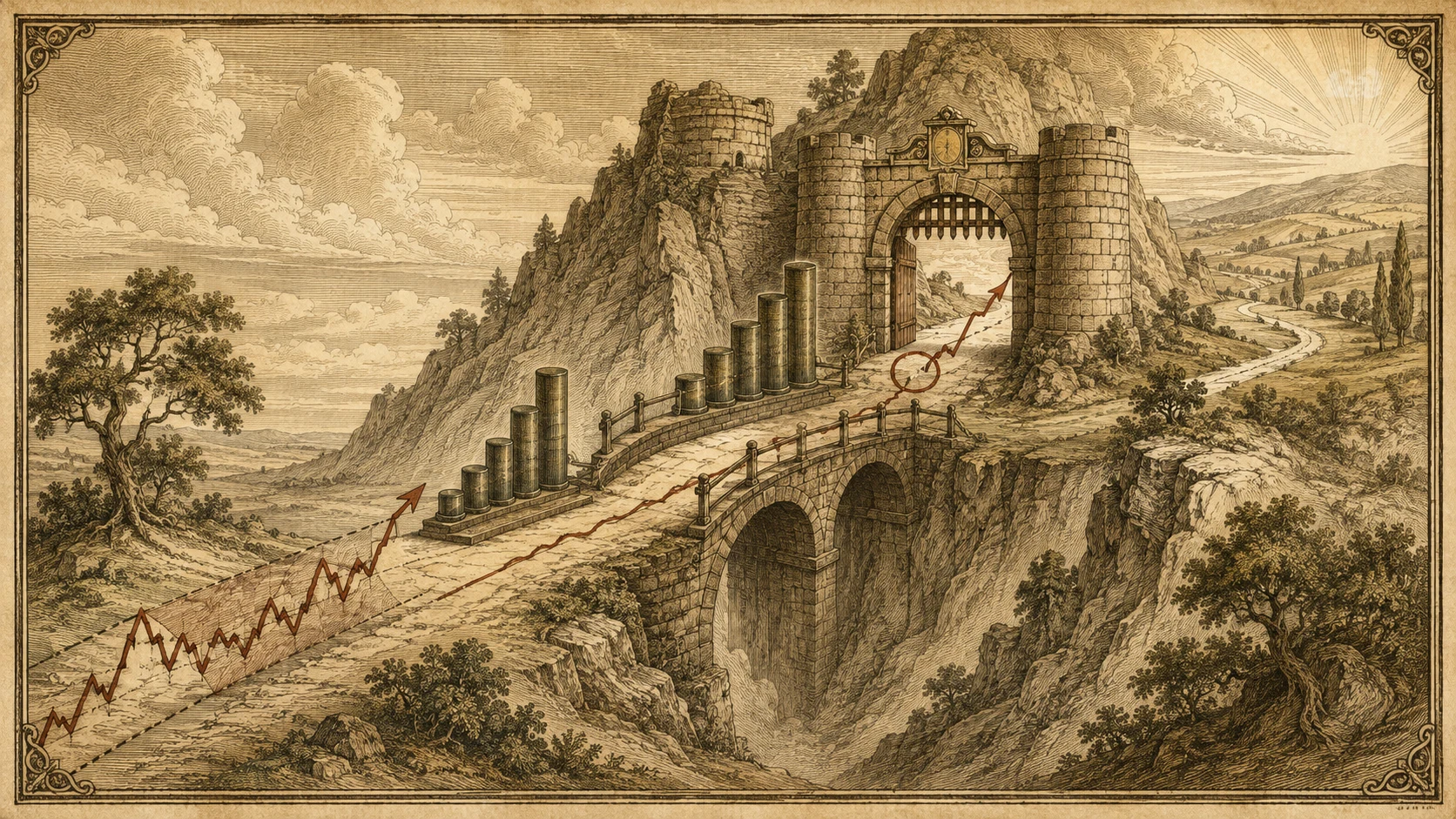
Breakout confirmation is the accumulation of technical evidence verifying whether a breach of support or resistance demonstrates structural acceptance and follow-through. Key pillars of confirmation include: a decisive candlestick body close beyond the boundary, expanding volume, follow-through in the subsequent candle, and a successful retest where broken resistance transforms into new support.
| Confirmation Factor | Weak Evidence (High Trap Risk) | Strong Confirmation (High Quality) |
|---|---|---|
| Candlestick Close | Intraday wick pierce; candle closes back inside range | Full candle body closes decisively outside the boundary |
| Volume Profile | Declining or average volume during the break | Volume expands noticeably relative to recent consolidation bars |
| Follow-Through | Next bar immediately stalls and shows reversal wick | Next bar opens outside and pushes further in the breakout direction |
| The Retest | Price crashes back deep inside the original range | Price gently pulls back to old resistance, bounces, and holds as new support |
| Macro Context | Break occurs into a major scheduled data release (CPI/NFP) | Break aligns with the prevailing higher-timeframe trend |
Wick Touch vs. Candle Body Close
The most critical distinction every trader must master is the difference between an intraday wick poke and a candle close.
When an asset's price momentarily pushes 50 cents above resistance during a 1-hour candle, it simply means that aggressive buyers triggered a cluster of resting buy-stops.
If responsive selling steps in and drives price back down before the hour ends, the candle prints a long upper shadow (wick) and closes below resistance. That was not a breakout; it was a rejection above the level. A breakout candidate only earns consideration when the full bar closes outside the boundary.
Never fall into the trap of believing that a 'confirmed' breakout cannot fail. High-volume daily closes can still be completely erased the following morning if an unexpected geopolitical headline strikes or earnings guidance disappoints. Confirmation stacks the odds in your favor; strict stop-loss discipline keeps you alive when those odds fail.
Why the Retest Is the Professional's Favorite Entry
When price breaks a multi-month resistance ceiling, trapped bears who were short at that level now sit on painful losses.
If price pulls back toward that exact level, those bears rush to buy back their short positions at breakeven to eliminate risk. Simultaneously, breakout traders who missed the initial surge step in to buy.
This dual buying pressure causes old resistance to 'flip' into new support. Entering on the retest provides an exceptionally tight, logical stop loss placed just below the retested level.
Frequently Asked Questions
How many bars after a breakout confirm a valid move?
At least one subsequent candle of follow-through (making a higher high in an upward breakout) is standard for momentum confirmation.
What if price breaks out with massive momentum and never retests?
This happens in strong trending markets. If you exclusively trade retests, you will miss these runaway runners. That is an acceptable trade-off: trading is about executing a consistent edge, not catching every market move.
Can high volume occur on a false breakout?
Yes. High volume at a breakout point can indicate aggressive institutional selling (climax distribution) absorbing breakout buyers rather than genuine institutional buying.