

Trading Systems
Time-in-Force Orders Explained: Day, GTC, IOC, and FOK
How long does an unfilled order stay alive? Understand Day, Good 'Til Canceled (GTC), Immediate or Cancel (IOC), and Fill or Kill (FOK) order lifespans.
Beginner-friendly articles on market mechanics, risk, and trading habits.
How long does an unfilled order stay alive? Understand Day, Good 'Til Canceled (GTC), Immediate or Cancel (IOC), and Fill or Kill (FOK) order lifespans.

A trading plan defines under what market conditions you trade; a pre-trade checklist verifies that your order ticket is correct right now. Why you need both.

Compare OTC spot gold (XAU/USD) with exchange-traded gold futures (COMEX). Understand financing swaps, contract expiration, margin rules, and counterparty risks.

Evaluate physical gold ETFs against leveraged gold futures. Compare management expense ratios, capital efficiency, trading hours, and holding period considerations.

Master the term structure of commodity futures. Learn how contango and backwardation shape forward curves, cost of carry, convenience yield, and roll yield.
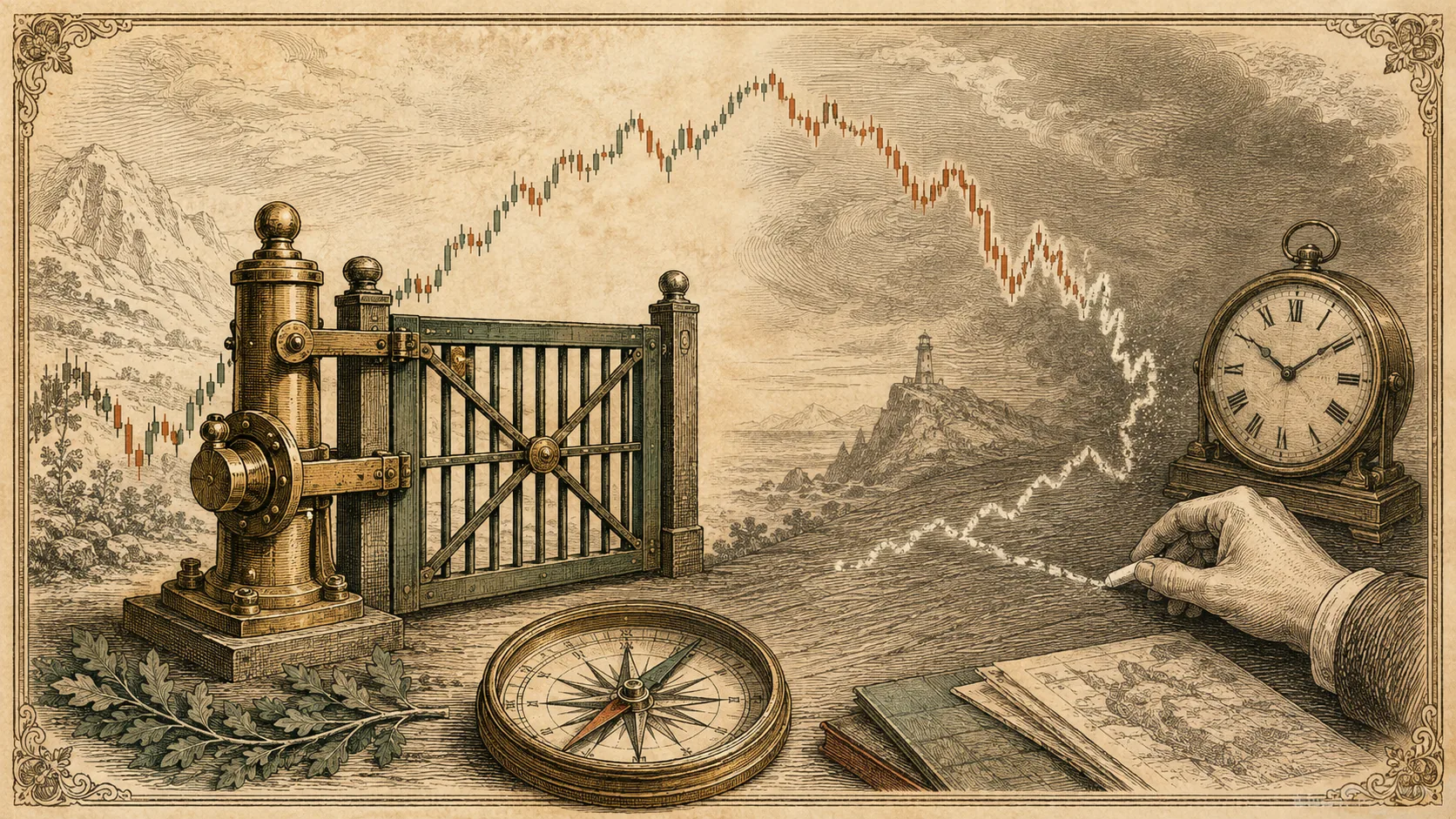
A hard stop delegates execution to the broker; a mental stop relies on human reflexes and discipline. Compare execution latency, gap risk, psychological failure modes, and practical decision criteria.

A trailing stop promises to lock in profits while letting winners run, but in choppy markets it frequently shakes you out early. Discover the mechanical trade-offs, three common trailing logics, and when to use one.

Most trading journals fail because they are either blank diaries or over-engineered spreadsheets. A clean, five-field template designed to capture hypothesis, execution, emotion, and review without friction.

A trade log records what happened; a trading journal records why you did it. Discover why confusing a broker transaction statement with a true journal keeps traders stuck in the same costly cycles.

Writing paragraph essays after every trade makes pattern recognition impossible. Learn a clean, four-category tagging system to identify exactly which setups print money and which behavioral habits bleed your account.

Backtesting looks backward at history; paper trading looks forward in real time. Learn what flaws each method exposes, why neither can replace the other, and how to combine them.
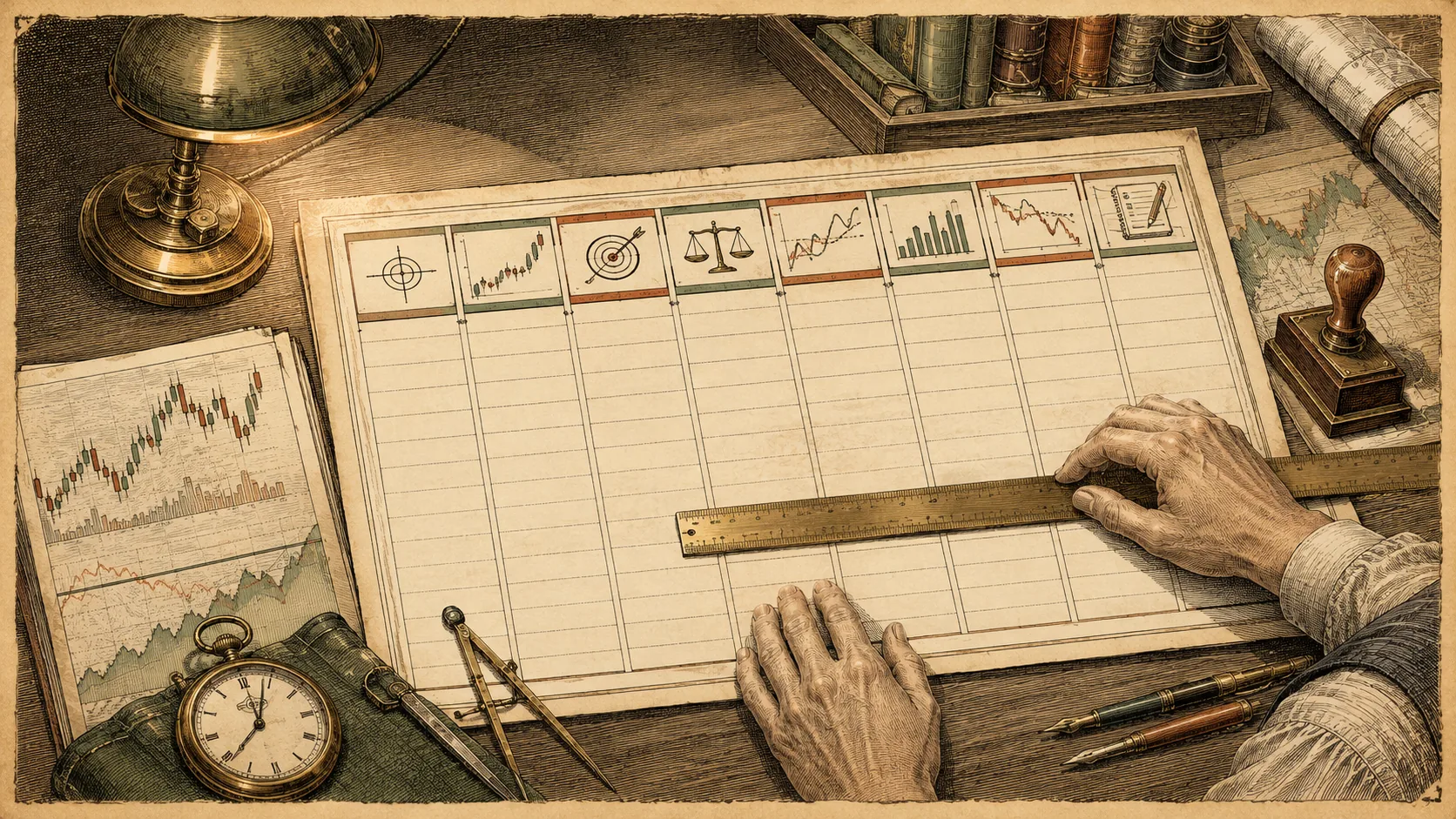
A backtest is only as reliable as the worksheet behind it. Learn the eight essential fields to log when manually testing a trading strategy, how to account for friction, and how to avoid self-delusion.
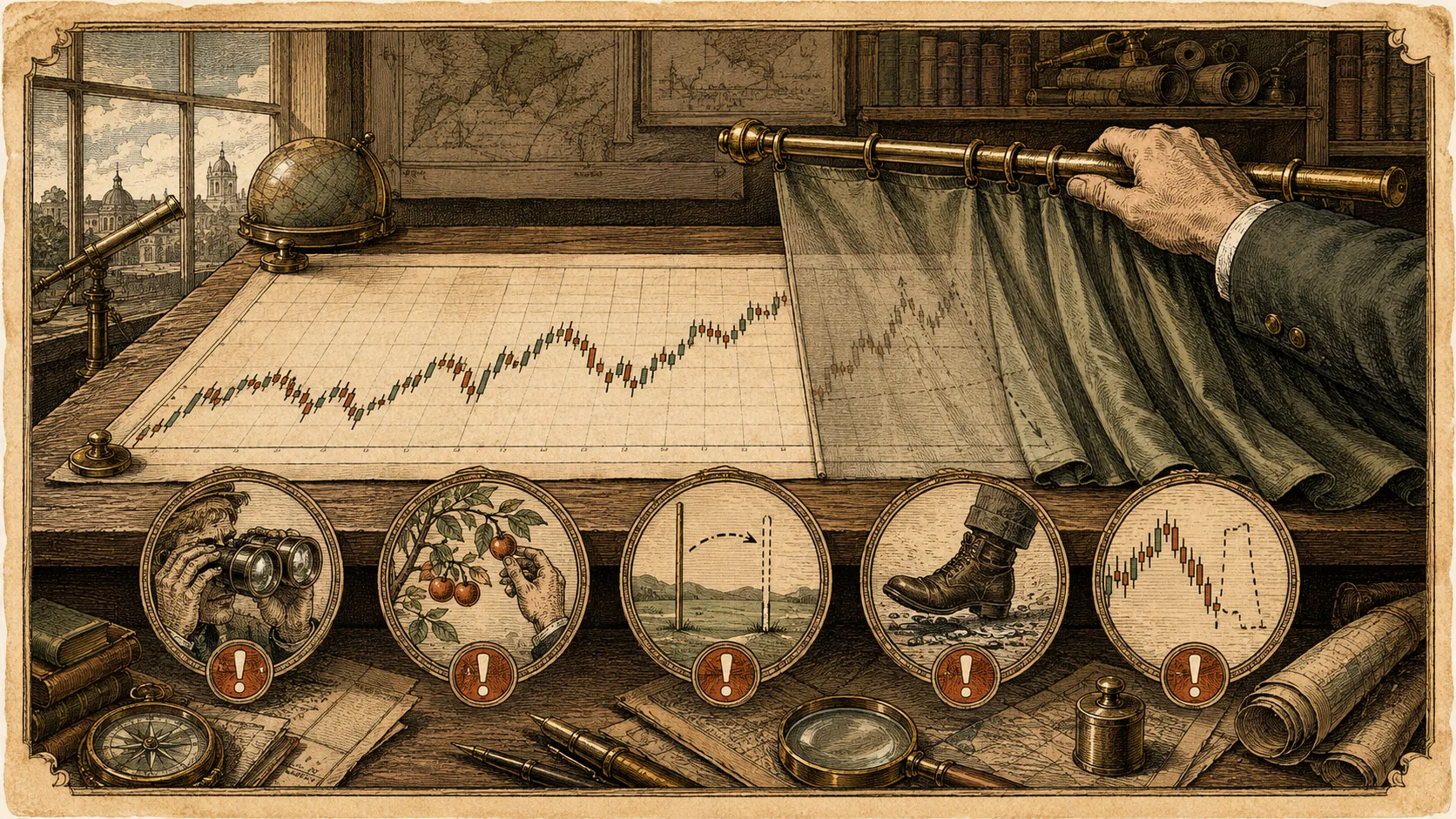
Manual backtesting sounds disciplined, but the human brain is remarkably good at cheating itself. Discover the five classic mistakes beginners make when scrolling historical charts—and how to test honestly.
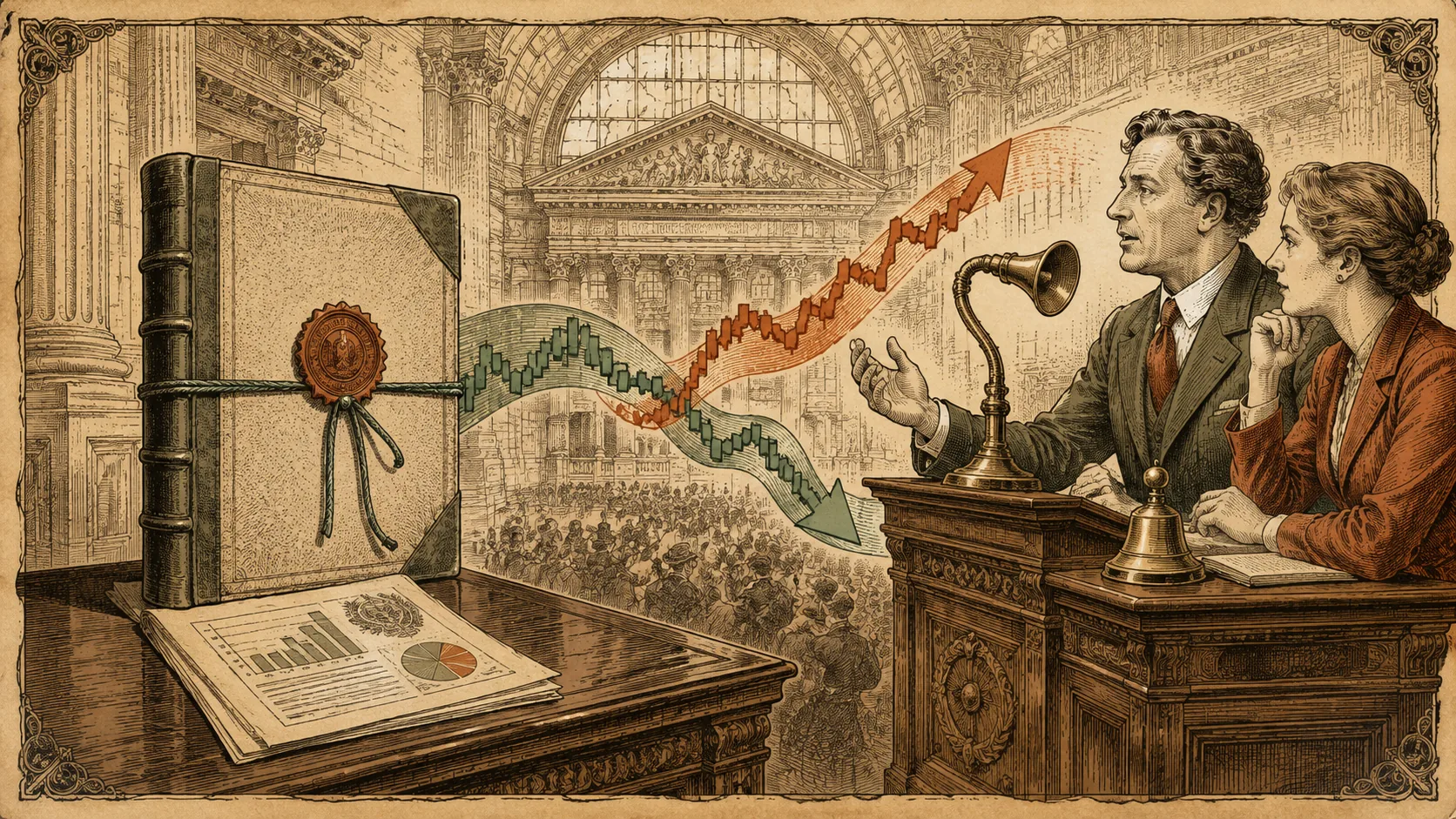
Discover the critical differences between a company's published earnings report and the live earnings call. Learn why stocks often reverse direction after executives start speaking.

Learn how to decode corporate earnings guidance without getting overwhelmed by numbers. Discover why 'beat and raise' drives stocks while 'beat and lower' triggers selloffs.