
At 4:05 PM right after the market closes, an enterprise cloud software company releases its quarterly earnings report. Revenue grew 22%, operating profit beat consensus estimates by $40 million, and headline algorithms immediately push the stock up 6% in after-hours trading.
Then, at 5:00 PM, the CEO and CFO host the live earnings call. Thirty minutes into the Q&A session, an analyst asks about deal closures for next quarter, and the CEO mentions that corporate clients are scrutinizing software budgets and delaying enterprise renewals. Within minutes, the 6% gain evaporates and the stock sinks 8% into the red. What just happened? You just witnessed why the earnings report and the earnings call are two fundamentally different sources of market information.
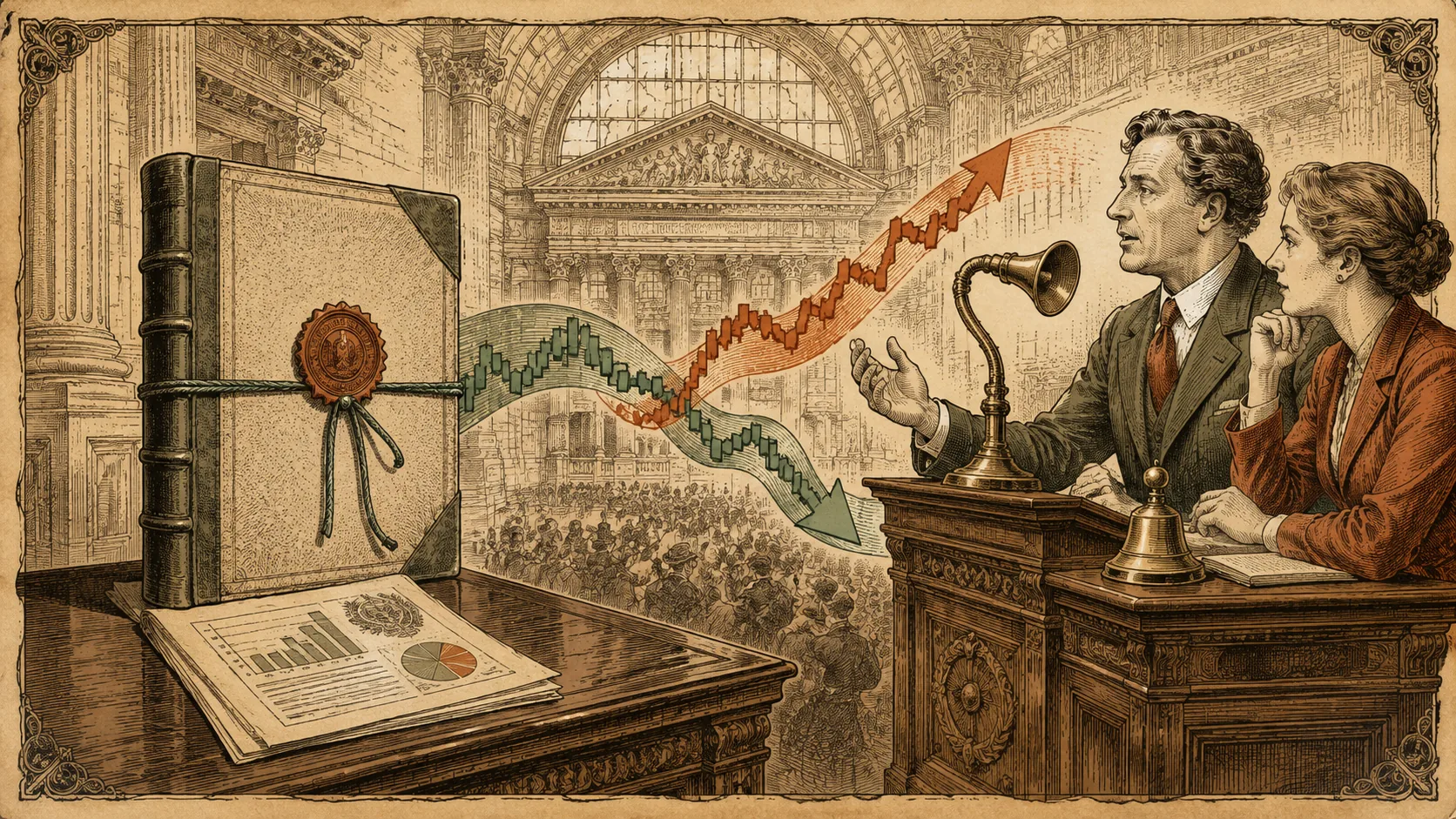
The earnings report (press release and regulatory filing) delivers structured accounting results: revenue, margins, and profits generated over the trailing quarter, often alongside management's initial written guidance ranges. The earnings call is an interactive discussion where executives provide strategic context, expand on that guidance, and answer probing questions from Wall Street analysts. Algorithmic traders react first to headline numbers in the release, but institutional capital moves on the tone, clarity, and managerial confidence revealed during the call.
The Earnings Report: Structured Numbers Looking in the Rearview Mirror
The earnings report—often accompanied by the formal SEC Form 10-Q filing—is a rigid, structured document prepared by accountants and legal counsel.
It answers one specific question: *'What exact financial results did the business produce over the trailing three months?'* It includes GAAP and Non-GAAP revenue, gross margins, operating expenses, net income, and earnings per share (EPS).
Because these statements follow formal regulatory reporting rules, they establish definitive historical accounting facts. Automated news bots and quantitative algorithms scan these press releases within milliseconds of release, comparing the reported figures against consensus estimates to execute instant after-hours trades.
The Earnings Call: Nuance, Body Language, and Future Direction
An earnings call is an audio webcast hosted by the executive leadership team—typically the Chief Executive Officer and Chief Financial Officer—held thirty to sixty minutes after the report is published.
The call follows a standard two-part structure: a prepared script outlining strategic milestones, followed by an unscripted Question-and-Answer (Q&A) session where sell-side equity analysts probe the details.
While the earnings report tells you *what* happened, the call explains *why* it happened and *what comes next*. Analysts listen closely for executive hesitation, hedging language around customer demand, supply chain constraints, or pricing power.
| Dimension | Earnings Report (Release & Filing) | Earnings Call (Webcast) |
|---|---|---|
| Primary Format | Structured text, financial statements, and regulatory tables | Live audio webcast featuring executive presentation and analyst Q&A |
| Time Horizon | Primarily backward-looking (quarterly financials), though often including initial written guidance | Forward-looking context (managerial commentary, pipeline trends, and live analyst Q&A) |
| Legal Scrutiny | High: Formally filed financial disclosures subject to regulatory accounting rules | Protected: Executive commentary covered under forward-looking 'Safe Harbor' provisions |
| First Responders | High-frequency algorithms and headline-scraping bots | Institutional portfolio managers, sector analysts, and fundamental investors |
| Market Impact | Triggers initial after-hours gap based on headline beat/miss | Determines whether the gap holds, reverses, or accelerates into the next trading day |
Never assume an after-hours price spike at 4:05 PM is the final verdict. The true trend usually establishes itself only after the earnings call concludes around 6:00 PM.
Three Reasons a Stock Reverses Direction During the Call
1. Cautious Forward Guidance: A company might beat Q2 earnings by 10%, but if the CFO states on the call that Q3 revenue will decelerate, institutional models immediately downgrade future discounted cash flows.
2. Uncomfortable Answers in the Analyst Q&A: In the prepared remarks, executives sound polished. But when a sharp analyst asks why inventory levels jumped 30% or why enterprise sales cycles lengthened, executive hedging or vague answers trigger immediate institutional selling.
3. Margin Compression Commentary: If management explains that revenue growth was driven by steep discounting or that capital expenditures will surge next year to fund AI data centers, investors realize future free cash flows will shrink.
If you trade earnings announcements, remember that headline numbers in the initial press release represent only the opening round. Professional fund managers trade on the forward guidance and qualitative tone delivered during the call. Entering aggressive positions before the call concludes exposes you to severe whipsaw risk.
Frequently Asked Questions
Can individual retail traders listen to live earnings calls?
Yes. Most major public companies host open audio webcasts and publish replays and transcripts directly on their Investor Relations (IR) website, allowing individual investors to review management commentary alongside Wall Street analysts.
Where can I find written transcripts if I miss the audio call?
Most financial news platforms, broker research portals, and company Investor Relations pages publish complete written transcripts within a few hours following the call's conclusion.
Why do companies host the call an hour after the press release?
The gap allows Wall Street analysts, institutional investors, and media outlets time to digest the tables, update their financial models, and formulate probing questions for the Q&A session.