
Order Execution Hub
Learn how orders route, match, and fill, covering bid-ask spreads, slippage, order types, and execution costs.
29 learning resources across 3 surfaces
Featured Guide

Structured Lessons
Key Concepts & Terms
Glossary
What Is an Order Book? How Bids, Asks, and Market Depth Move Prices
Glossary
What Is the Bid-Ask Spread? Why Trading Costs Widen When Liquidity Fades
Glossary
What Is Slippage? Why a Stop Price Is Not a Guaranteed Fill Price
Glossary
What Is the Bid? The Highest Price Buyers Are Offering Right Now
Glossary
What Is the Ask? The Lowest Price Sellers Will Accept Right Now
Glossary
What Is a Commission? The Explicit Fee on Every Trade
Glossary
What Is a Rollover or Swap? The Overnight Charge on Leveraged Positions
Glossary
What Is a Market Order? Immediate Execution & Spread Cost
Glossary
What Is a Limit Order? Price Control & Queue Priority
Glossary
What Is a Stop Order? Conditional Triggers & Risk Protection
Glossary
What Is Time-in-Force (TIF) in Trading? Day, GTC, IOC, and FOK Orders
Glossary
What Is an Order Ticket in Trading? Key Fields, Setup, and Verification
Glossary
What Is Liquidity in Financial Markets?
In-Depth Articles
Trading Basics
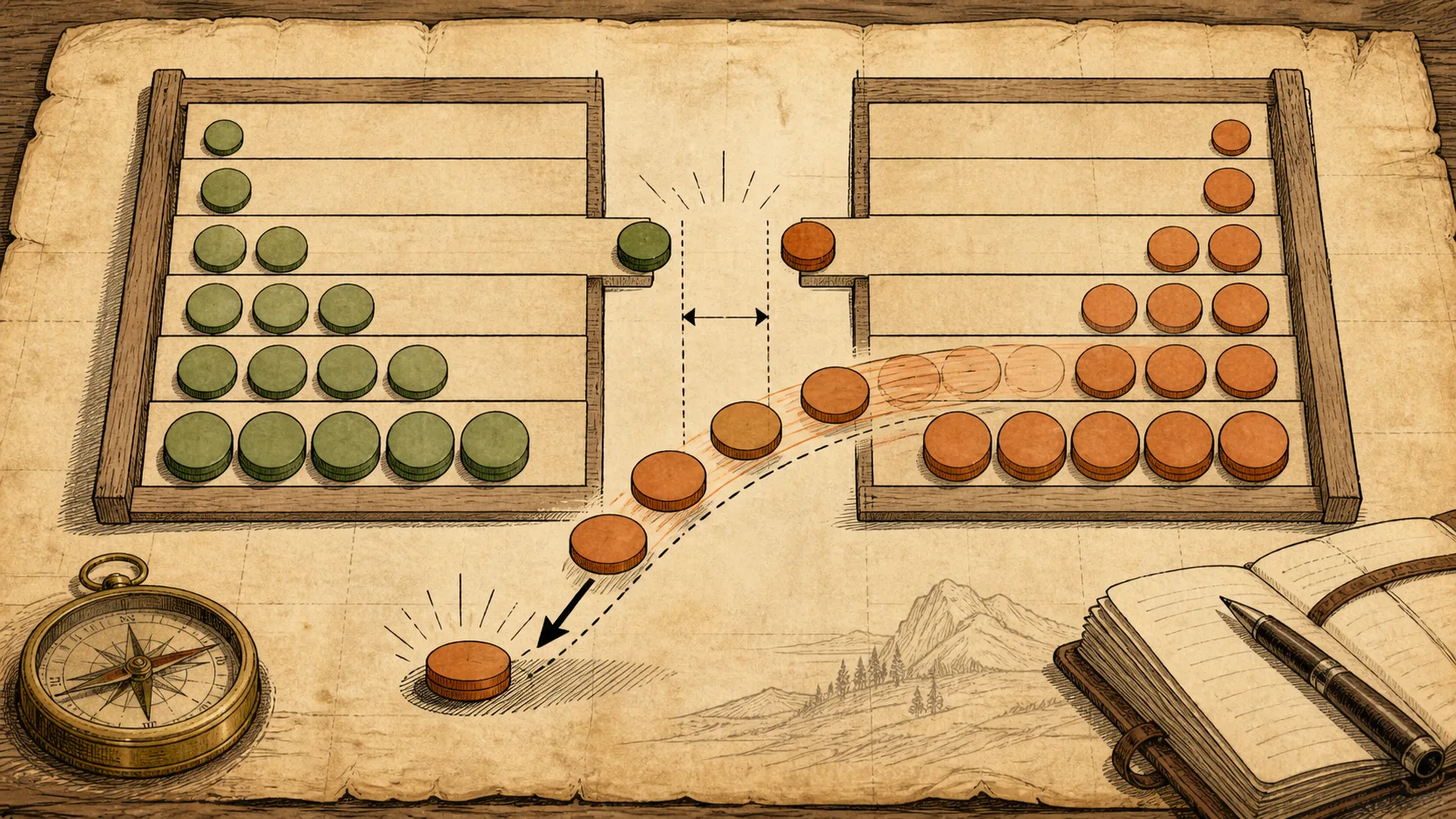
Bid, Ask, Spread, and Slippage: What They Mean and Why They Cost You Money

Trading Basics
Why Flash Crashes Create Liquidity Vacuums: Volume Spikes, Depth Vanishes

Trading Basics
Why Stop Losses Fail in Illiquid Markets: The Trigger Price Is Not the Fill Price

Trading Basics
Bid vs Ask vs Last Price: Which One Is Actually Yours?

Trading Basics
How to Read a Broker Fee Schedule (Before It Reads You)

Trading Basics
Overnight Financing Explained: The Rent You Pay on Leveraged Positions

Trading Basics
Why Bid-Ask Spreads Widen — and What It Costs You

Trading Basics
Why Didn't My Limit Order Fill Even Though Price Touched It?

Trading Basics
Limit Order vs Stop Order: How Execution and Triggers Differ

Trading Systems
Common Order Entry Mistakes and How to Prevent Them

Trading Systems