

Risk Management
How to Calculate Break-Even Win Rate in Trading
If your average win is $200 and your average loss is $100, what win rate do you need just to break even? The exact mathematical formula, R-multiple breakdown, and fee friction impact.
Set position size, stops, and trade limits so one wrong call cannot decide the account.
If your average win is $200 and your average loss is $100, what win rate do you need just to break even? The exact mathematical formula, R-multiple breakdown, and fee friction impact.

Profit factor looks at total dollar gains versus losses, while expectancy measures the average edge per trade. Compare formulas, sample size limits, and historical blind spots.
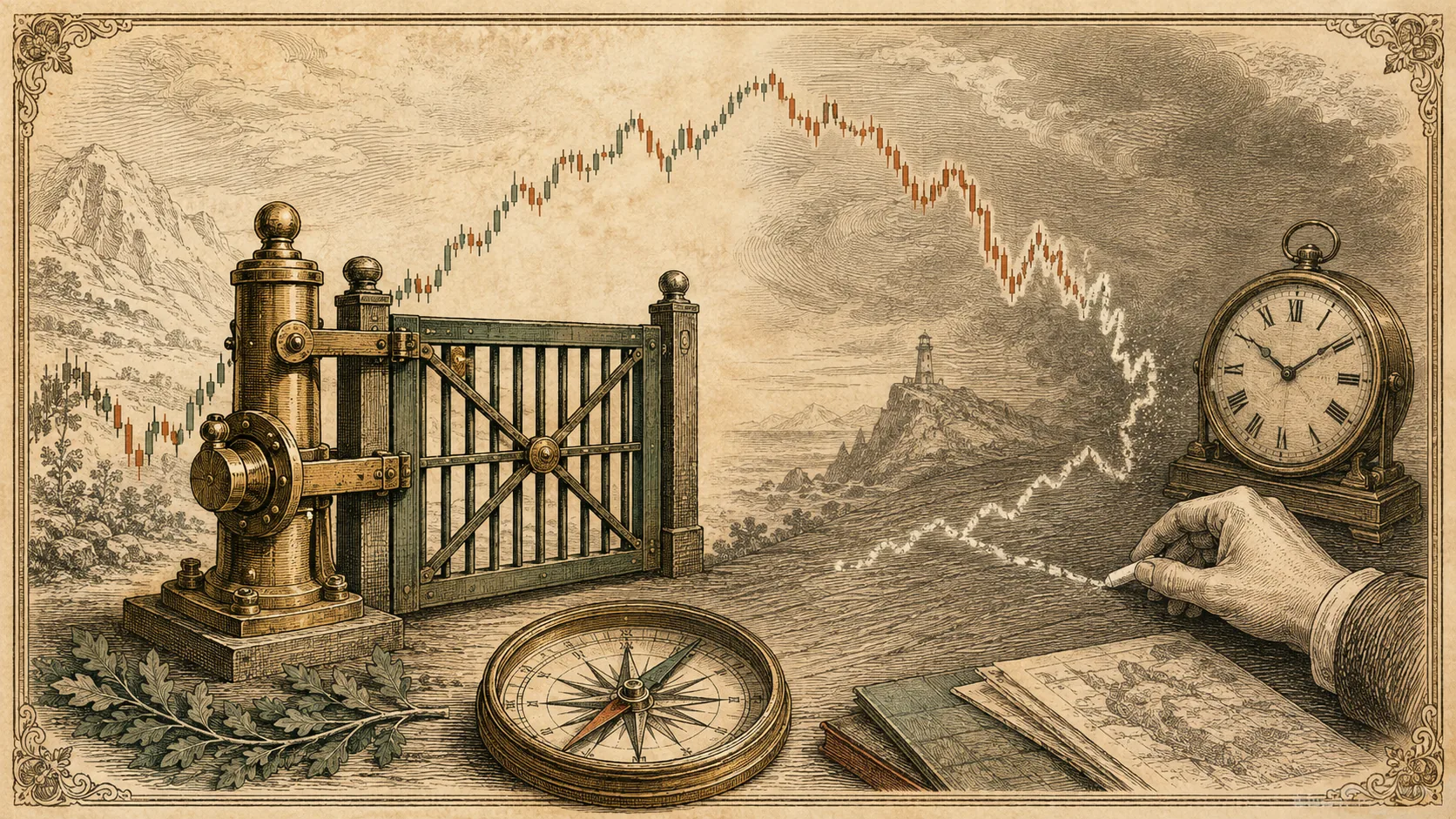
A hard stop delegates execution to the broker; a mental stop relies on human reflexes and discipline. Compare execution latency, gap risk, psychological failure modes, and practical decision criteria.

A trailing stop promises to lock in profits while letting winners run, but in choppy markets it frequently shakes you out early. Discover the mechanical trade-offs, three common trailing logics, and when to use one.

Before trading live capital, stress-test your strategy against price gaps, losing streaks, liquidity dry-ups, and correlation breakdowns to uncover fragile assumptions.

Consecutive losses are a normal sequence risk in any market. Discover the non-linear math of compounded drawdowns and how to defend your account.

Risking a fixed dollar amount and risking a fixed percentage of the account behave differently as the balance changes. Learn the trade-offs and why neither is a universal answer.
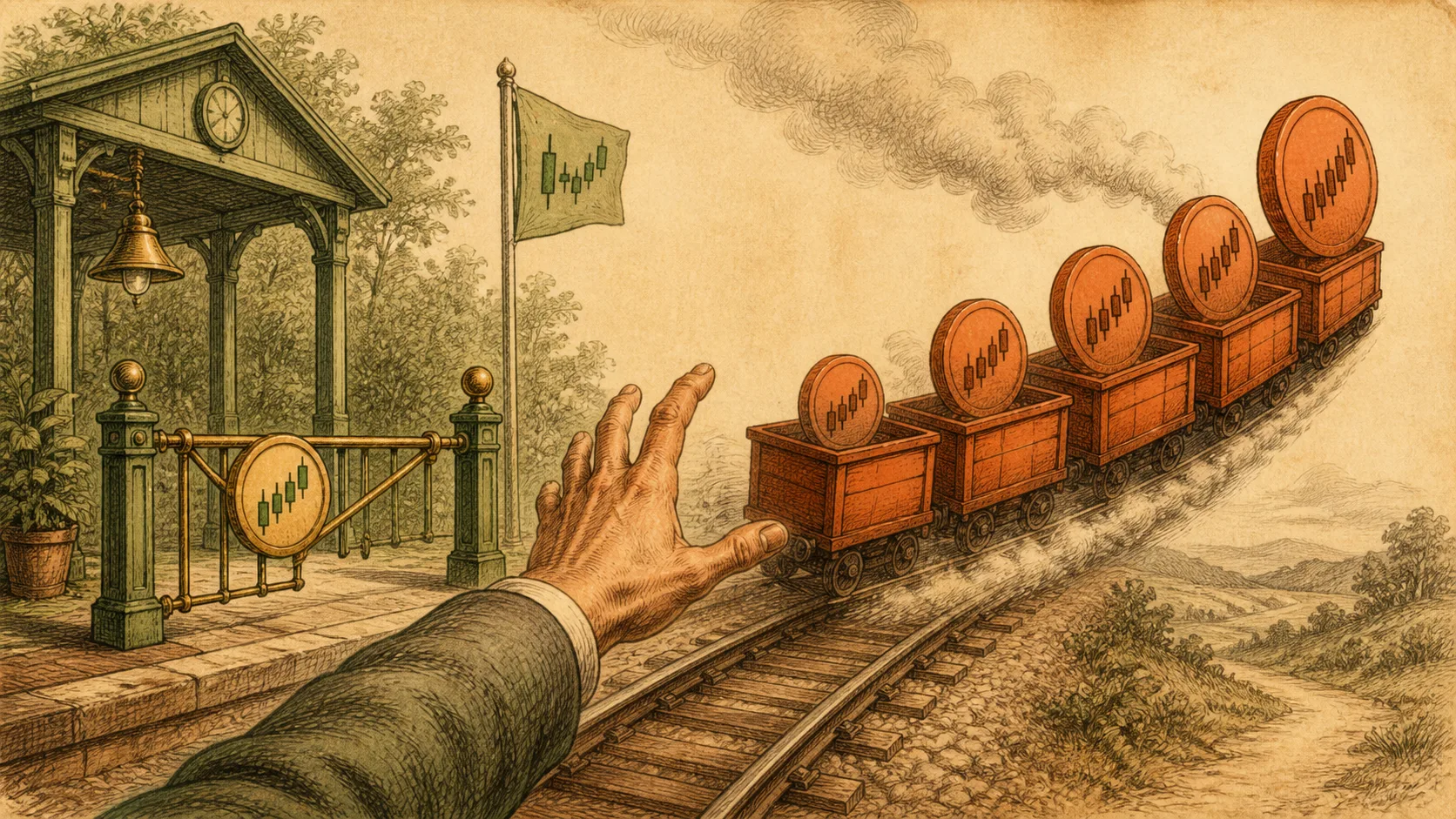
FOMO trading is entering because price already moved and you are afraid of missing further gains. The move that happened is not evidence about what happens next. Learn to spot it and pause.

Loss aversion is the tendency to feel losses more strongly than equivalent gains. In trading it shows up as refusing to exit at the stop, because closing makes the loss final. The loss already exists either way.

Planned risk is what you are willing to lose; market exposure is the value you control. They are different variables, connected by position size. Learn to keep them apart.

A 20% loss needs a 25% gain to recover, while a 50% loss needs a 100% gain. Learn the simple math behind drawdown asymmetry and why loss control matters.

Learn how account size, maximum acceptable loss, and stop distance work together to determine position size instead of choosing a random number of shares.

Revenge trading is the urge to win money back immediately after a loss. Learn how it changes decision quality and how precommitted pause rules can interrupt the cycle.

Risk tolerance is how much loss you can emotionally accept. Risk capacity is how much loss you can financially absorb. A sound trading plan needs both.

Volatility measures how much prices move. Risk is about what those moves can do to your capital, plan, and ability to stay in the trade. Learn the difference before sizing any position.

A stop loss is an order or rule. Thesis invalidation is the evidence that makes the original trade idea wrong. Learn why the two should be connected.